Heat Exchanger Visual Inspection: Make Judgments Repeatable
Define lighting, viewing conditions and approved defect examples so visual inspection decisions are less dependent on individual interpretation.
China Thermic Editorial Team
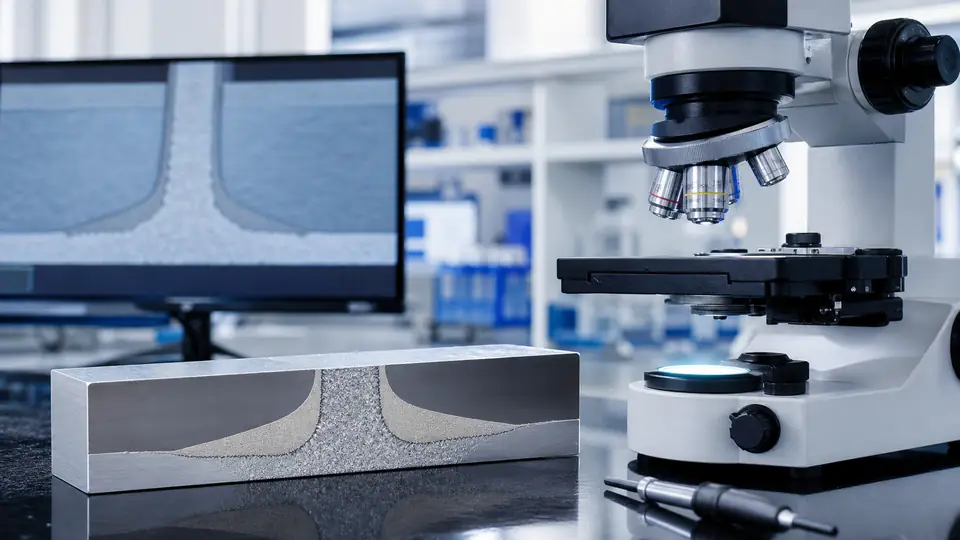
Visual inspection becomes more useful when inspectors evaluate the same characteristics under defined conditions. An instruction that says check appearance leaves too much open to interpretation. For a heat exchanger, specify the surfaces and features to inspect, the permitted conditions and the criteria for escalating uncertain findings.
SEPARATE APPEARANCE FROM FUNCTION
Describe which requirements concern visible condition and which require another test method. A visually acceptable assembly does not automatically establish leak integrity or thermal performance. Likewise, a cosmetic observation should not be treated as a functional failure without reference to the agreed requirement. Use the approved inspection plan to keep these decisions distinct.
DEFINE THE VIEWING CONDITIONS
Record the lighting arrangement, access, orientation and any specified viewing aids. Ensure that the required features can actually be observed on the assembled product. If a surface becomes hidden after another component is fitted, assign the inspection to the appropriate production stage rather than assuming final inspection will cover it.
CONTROL REFERENCE EXAMPLES
Approved photographs or physical examples can help explain boundaries, but they need identification and revision control. State what each example illustrates and where it applies. A photograph's lighting and scale can influence interpretation, so it should support a written criterion rather than replace one. Remove obsolete examples from normal use when requirements change.
CHECK AGREEMENT BETWEEN INSPECTORS
Use a controlled set of representative observations to review how consistently inspectors apply the criteria. Investigate disagreements and update training or the instruction where needed. Record uncertain cases for authorized review instead of encouraging inspectors to choose a result merely to finish the inspection. The purpose is a dependable decision process, not an artificially high pass rate.
FREQUENT QUESTION: CAN A CAMERA REPLACE ALL HUMAN JUDGMENT?
Only a validated inspection arrangement can establish what the camera system detects reliably. Coverage, lighting, product variation and decision rules still need definition. Automation does not remove the need for acceptance criteria.
RELEASE CHECKLIST
Confirm the applicable drawing revision, visible characteristics, viewing conditions and reference examples. Keep visual inspection results connected to the product identity and to any separate tests required before release.