Delayed Commissioning: Preserve Industrial Equipment in Storage
Protect delivered equipment during project delays with component-specific storage instructions, inspection records and a controlled release plan.
China Thermic Editorial Team
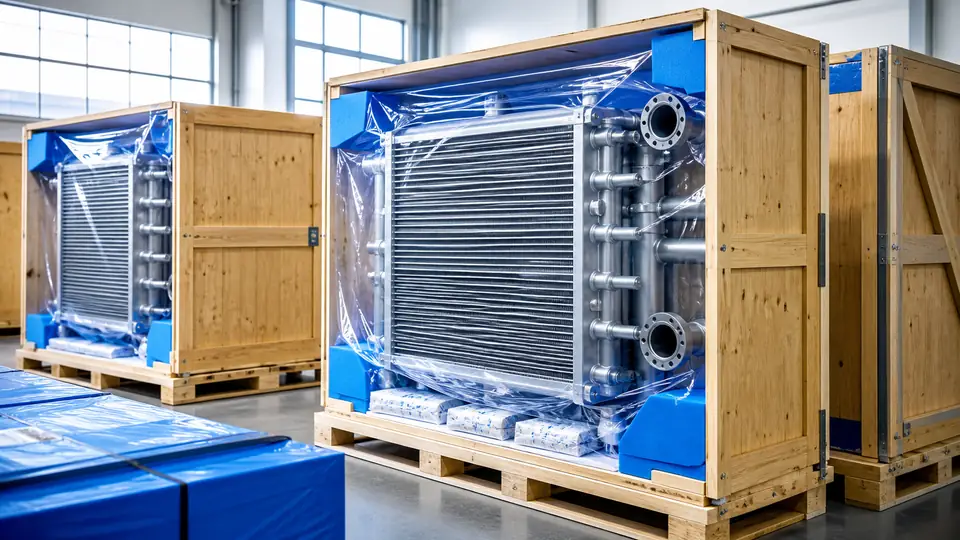
When commissioning is delayed, equipment needs an active preservation plan. Shipping protection should not be assumed suitable for an extended stay at the destination. Confirm the expected storage period and conditions with the equipment supplier before the original protection is removed or its intended period is exceeded.
BUILD A COMPONENT-LEVEL PLAN
List the modules and components that have distinct storage requirements, including drives, motors, instruments, electrical cabinets and exposed machined surfaces. Record each applicable manufacturer instruction, packaging condition and preservation deadline. Do not assign a single temperature or humidity limit to an entire furnace line without checking its components.
SEW-EURODRIVE's gear-unit guidance distinguishes storage conditions and preservation arrangements for specific products: https://download.sew-eurodrive.com/download/html/31981496/en-EN/41009014923.html
That reference illustrates why the actual component manual matters; its limits should not be copied to unrelated equipment.
ASSIGN A STORAGE OWNER
Record the storage location, access restrictions, inspection responsibility and reporting route. Check for damaged coverings, water ingress, condensation, corrosion or impact according to the approved plan. Retain dated observations so the commissioning team can review what occurred during the delay.
If inspection requires opening protection, obtain the procedure for resealing or renewing it. Opening a sealed package and then leaving it exposed can change the preservation conditions even when the building appears dry.
MANAGE CHANGES IN THE SCHEDULE
Review the plan when installation moves again, equipment is transferred outdoors or a storage area loses environmental control. Inform the supplier of the actual conditions and elapsed time. Avoid improvising preservation chemicals or energizing stored equipment without applicable instructions.
Some electrical equipment has specific requirements after extended storage. For example, SEW-EURODRIVE explains capacitor aging in its inverter storage guidance: https://download.sew-eurodrive.com/download/html/31960413/en-EN/82607883.html
Any required electrical preparation must be determined from the exact device documentation and performed by authorized personnel.
RELEASE EQUIPMENT DELIBERATELY
Before installation resumes, reconcile inspection records, unresolved damage, preservation materials and component-specific preparation. Identify which transport restraints or protective items must be removed under the installation procedure. Record the decision to release each module.
FAQ: DOES AN UNOPENED CRATE MEAN THE EQUIPMENT IS READY TO START?
No. It preserves evidence of handling, but readiness also depends on elapsed storage time, environmental exposure and the manufacturer's preparation requirements.
PROJECT OUTPUT
Maintain a preservation register with the next inspection date, outstanding actions and release status for every affected module.