Out-of-Tolerance Gauges: Review the Product Impact
Trace an abnormal gauge result to its measurement tasks and affected records before deciding whether earlier product decisions need review.
China Thermic Editorial Team
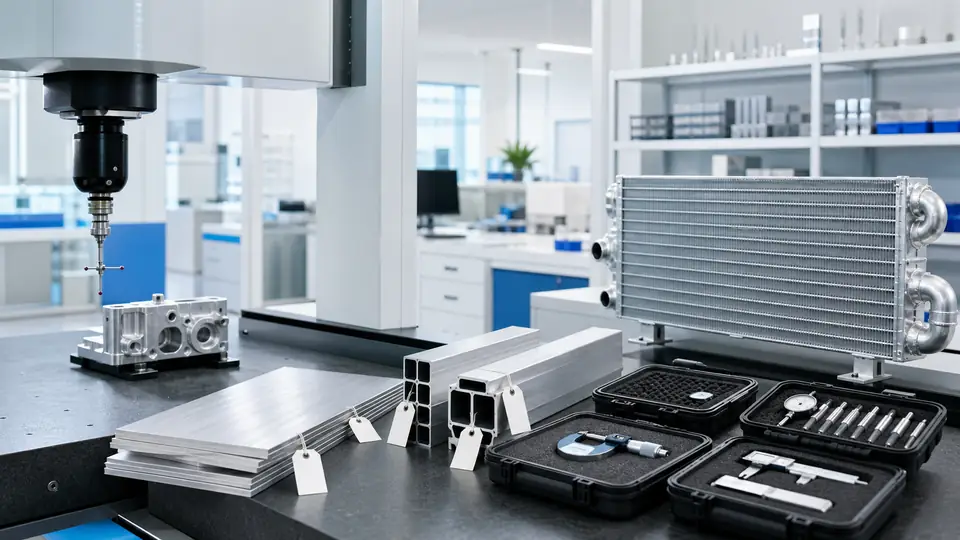
When a gauge returns an out-of-tolerance calibration result, adjusting it addresses its future use but leaves another question: were earlier product decisions affected? A useful review connects the observed error to the measurements actually performed. It avoids treating every earlier result as automatically wrong while still examining the decisions that may no longer be supported.
Control the instrument and preserve evidence
Identify the gauge and prevent unintended use until its status is resolved. Retain the calibration results recorded before adjustment, including the tested points and reported uncertainty. Record any observed damage, repair or setting changes. A certificate showing only the condition after adjustment may not provide enough information to assess previous measurements.
Identify the relevant measurement tasks
Find which features, ranges and inspection stations used the instrument. Link those uses to inspection records and product lots where the available history permits. Consider the last satisfactory calibration and any intermediate checks when defining the review period. If the timing of the change is unknown, state that uncertainty rather than assigning an unsupported date to the failure.
Evaluate the possible effect on decisions
Compare the observed error with the relevant measurement range, acceptance limits and recorded results. The direction of an error matters: it may influence an acceptance decision differently from a rejection decision. Include the measurement method and applicable uncertainty in the review. Do not assume a result at one calibration point describes the entire working range without supporting evidence.
Choose a documented disposition
The authorized quality team should determine whether independent evidence is adequate, retained parts can be remeasured, or further product review is required. Follow the applicable customer and internal procedures for any affected deliveries. Record the reasoning even when the conclusion is that earlier decisions remain supported. Where records are insufficient, document the limitation and the action taken to address it.
Improve the control plan
After the immediate review, examine whether handling, environmental conditions, wear or the inspection method contributed to the issue. Consider suitable intermediate checks and revisit the calibration interval using actual instrument performance. Calibration alone does not establish that a measurement process is fit for every task. Close the record only when both the instrument’s future status and the review of earlier product decisions have clear owners and conclusions.