Production Event Timestamps: Reconstructing What Happened First
Distinguish event time from receipt time and document clock behavior before using production logs to explain a sequence of equipment events.
China Thermic Editorial Team
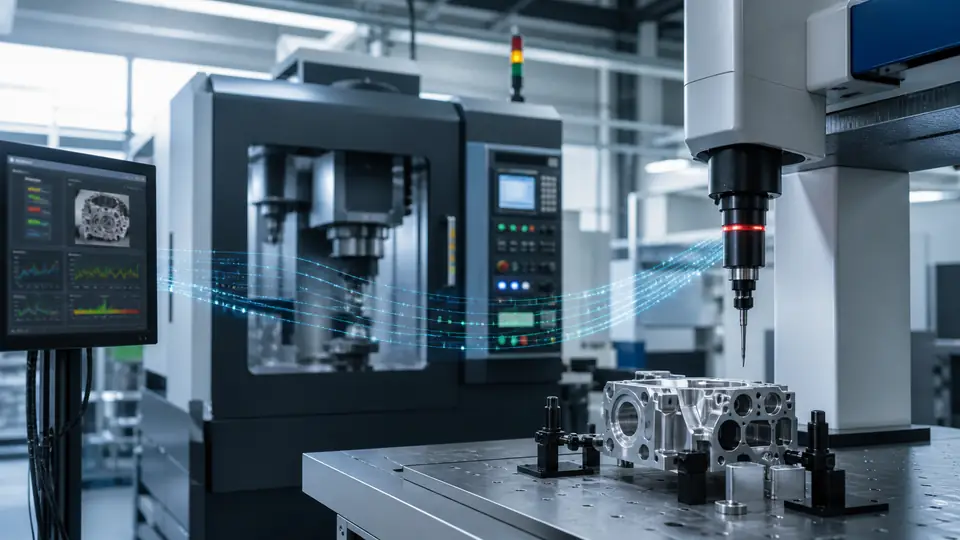
Production event records should make clear when an event occurred and when the monitoring system received it. These are not always the same time. Before using a dashboard to explain a stoppage or process deviation, establish what each timestamp means and which clock produced it. Otherwise, the apparent event sequence may be misleading.
DEFINE THE TIME FIELDS
Identify whether a record contains controller event time, gateway receipt time or database storage time. Preserve more than one field where the application needs that distinction. Document the time zone and the treatment of clock changes. A timestamp format that is easy to read still needs a consistent definition across equipment.
MAKE CLOCK CONDITION VISIBLE
Use the site's approved approach for time synchronization and record whether devices are operating within its requirements. Do not assume that every legacy controller supports the same method. When synchronization is unavailable or uncertain, make that limitation visible to the analyst instead of presenting all timestamps as equally precise.
ACCOUNT FOR INTERRUPTED COMMUNICATION
A device may store records locally and forward them after a connection returns. The arrival order can then differ from the event order. Define how the receiving system handles delayed records, duplicate messages and missing sequence information. Retain enough context to identify a replayed event without counting it as a new production occurrence.
REVIEW CAUSE SEPARATELY FROM ORDER
Knowing that one event appears before another does not establish that it caused the second event. Compare the timing with operating conditions, process knowledge and other evidence. If the measurement or clock resolution cannot distinguish two events, report the sequence as uncertain. Avoid turning an approximate timeline into an unsupported root-cause statement.
FREQUENT QUESTION: IS A MORE PRECISE DISPLAY ENOUGH?
No. Showing additional decimal places does not improve the underlying clock accuracy, collection delay or event detection method. Specify the timing capability needed for the actual investigation.
PRACTICAL ACCEPTANCE TEST
During system acceptance, review a controlled event sequence and an authorized communication-recovery test. Confirm how records are stored and displayed, and document any limitations. This gives future investigators a realistic basis for interpreting production history.