Radiator Coolant Filling and Venting: A Commissioning Review
Review fill points, high points and vent routing before cooling-system commissioning, using the equipment maker's approved procedure.
China Thermic Editorial Team
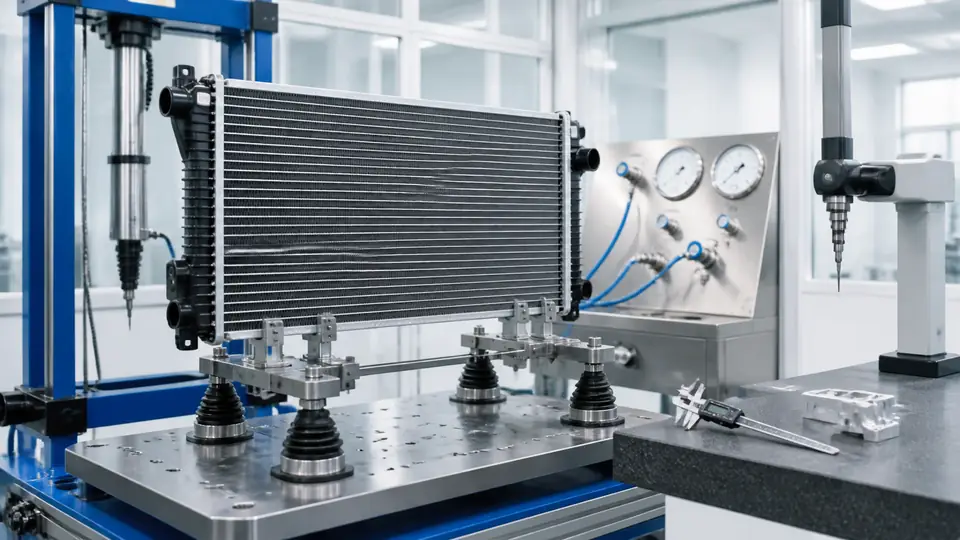
A cooling-system commissioning plan should explain how the specified coolant will enter the system and how displaced air will leave it. Radiator selection alone does not establish that the complete installation can be filled and vented correctly. Review the radiator, engine or process equipment, expansion arrangement and connecting pipework as one system.
DRAW THE COMPLETE COOLANT ROUTE
Mark connection elevations, high points, fill locations and the specified vent connections on the installation drawing. Include branches and remote components that may not appear on the radiator drawing. Compare the installed route with the approved design before commissioning. A field modification can introduce a condition that the original filling procedure did not address.
USE THE EQUIPMENT-SPECIFIC PROCEDURE
Cooling arrangements differ. The appropriate filling sequence, vent configuration and level checks must come from the responsible equipment manufacturer or approved system design. Do not copy pressure limits or vent dimensions from an unrelated engine installation. Never open a hot or pressurized cooling system; follow the required cooling, isolation and depressurization instructions.
PREPARE THE COMMISSIONING RECORD
Record the approved coolant product and mixture, installation revision and procedure used. Identify the observation points required by that procedure. Document abnormal level changes, leakage or unstable operation rather than treating them as normal adjustment. Refer unresolved symptoms to the responsible engineer before progressing beyond the authorized commissioning stage.
DISTINGUISH FILLING FROM PERFORMANCE ACCEPTANCE
A completed fill does not demonstrate the required heat rejection. Thermal acceptance still needs the specified operating conditions and measurement method. Conversely, an unexpected temperature reading should not immediately be attributed to an undersized radiator. Confirm the installation and commissioning prerequisites before changing the cooling hardware.
FREQUENT QUESTION: DOES A REMOTE RADIATOR NEED A DIFFERENT REVIEW?
Often the installation introduces additional elevations, pipe lengths and interfaces that must be evaluated. Whether this requires a different expansion or venting arrangement is a system-design decision, not a conclusion based only on physical distance.
HANDOVER CHECKLIST
Retain the approved coolant specification, as-built routing, commissioning observations and operating-level instructions. Make the filling and inspection requirements available to the team that will maintain the equipment after handover.